|
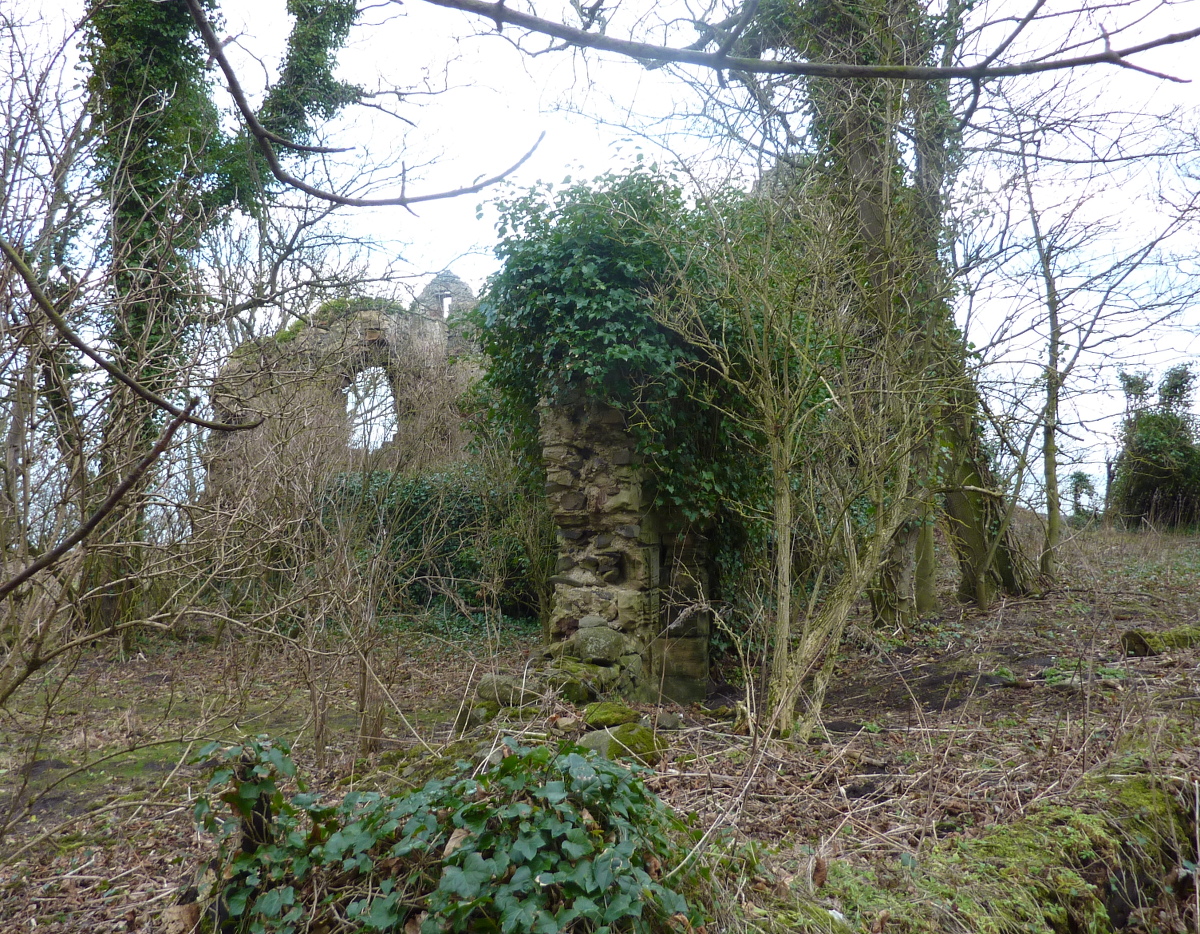
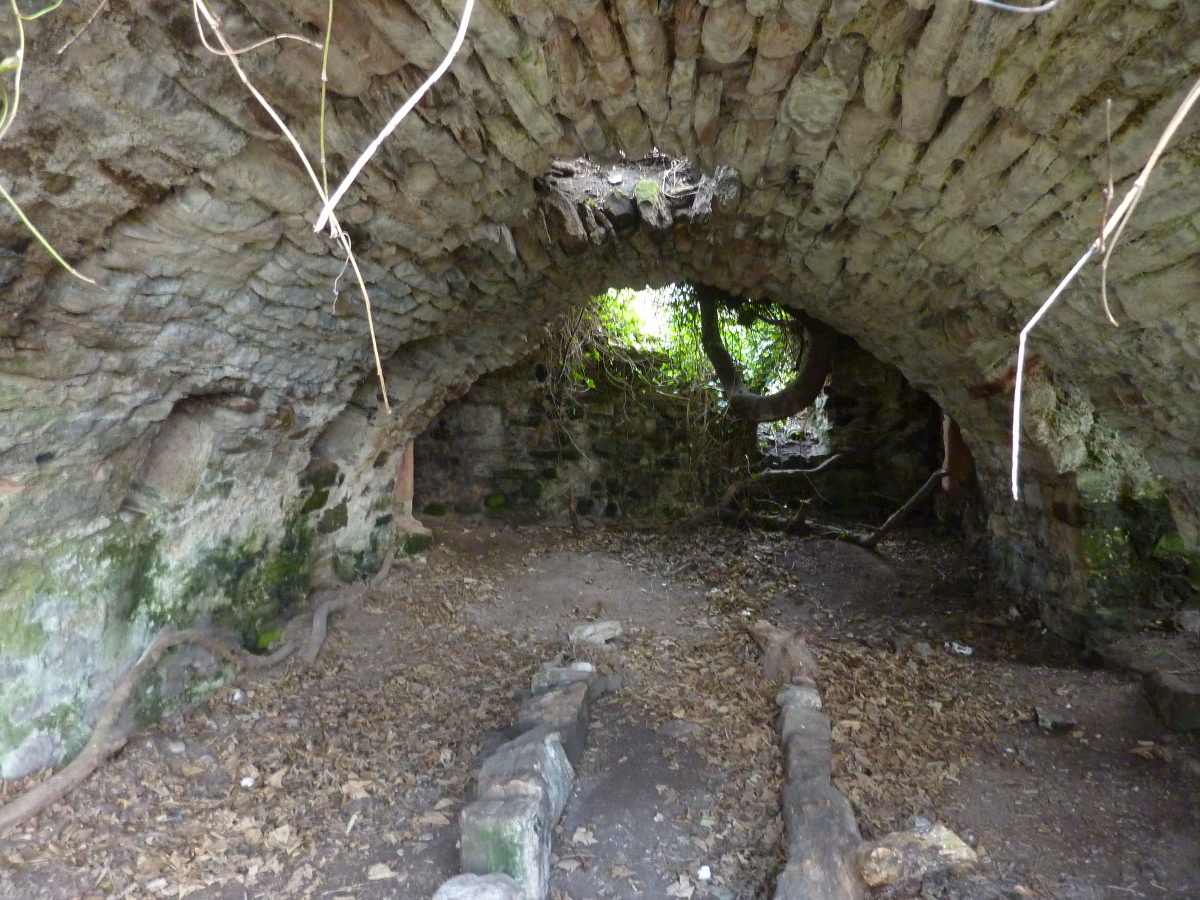
| Hailes Castle |
Yesterday the Contesse and I went for a pleasant walk along the River Tyne. We started at the village of East Linton (which was once quite an important toll-bridge crossing on the road from Edinburgh to London), walked upstream along the river bank for a couple of miles until we reached the first footbridge, crossed over to Hailes Castle, then walked back along the public road (more of a track really) into the village to collect our car. Very enjoyable, and an easy walk to suit a rather humid day.
 |
Some photos from yesterday's walk - the water level is quite low, with the current
dry spell, and these streamers of weed and algae are not what we normally see |
 |
| View from the footbridge at Hailes |
 |
The bridge on this new (2003) section of the A1. Traffic running between the capitals
of England and Scotland sweeps over the valley of the Scottish Tyne without even noticing. |
Everyone knows of the River Tyne. It is a major river on which stands the mighty city of Newcastle, and it has a long, hardworking tradition of shipbuilding. When we mention that the River Tyne is near us, visitors assume we must live close to Newcastle (which is about 100 miles away - 2 counties away), or that we must mean the North Tyne (which runs into the Northumberland Tyne, and is also a long way from here), or that we must be mistaken (no comment on that one), or that the Scots are obviously so bloody stupid that they have named a river after a more famous one which is not so far away, or that by some peculiar coincidence the rivers were independently given the same name.
The last of these is probably closest to the facts, but I've always been intrigued that the situation exists. So I did a little (trivial) research, and I find that these rivers have existed, within a hundred miles of each other, with the same name for a very, very long time. Hmmm. Our River Tyne, you see, rises somewhere to the west of Pencaitland (a town most famous these days for the manufacture of Glenkinchie whisky) and flows 30 miles through the county of East Lothian, passing through the county town (Haddington), then through East Linton, and Tyninghame (yes, yes, that's right), emerging into the North Sea somewhere between North Berwick and Dunbar.
 |
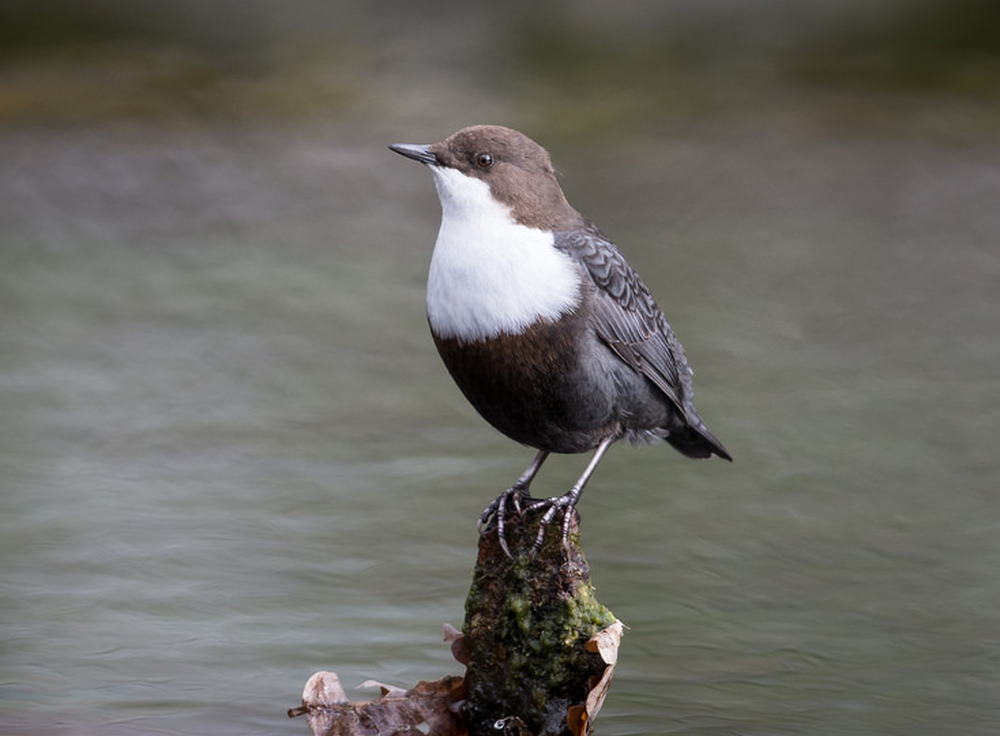
| River Tyne at Haddington |
So why "Tyne"? In fact the answer is laughably simple, and I'm sure you either know or have guessed the truth already. Both rivers appear to get their name from an ancient word,
tin, meaning river. This may be Brythonic, or may be some older, pre-Celtic word, but neither of our rivers seems actually to have been known as Tyne until Anglo-Saxon times. Interesting. Gradually, the word for river is handed down from a defunct language until, by default, it becomes the name of the river. One imagines some medieval incomer - maybe a tourist or some sort of bureaucrat from whatever new lot are taking over - and he asks, "what's this, then?", and the locals say, "oh, that's the river" - in fact, they may already be using the old word as a name, without realising - and the newcomer takes note that this is what the river is called.
This must have been fairly common. The River Avon must also, I guess, be named "river"; certainly the modern Welsh word
afon is a close relative, you would think. So I am building a picture where the unsophisticated locals, who didn't have that many rivers to worry about, just called the thing "the river" in their own language, and eventually the language changed but the name had stuck.
 |
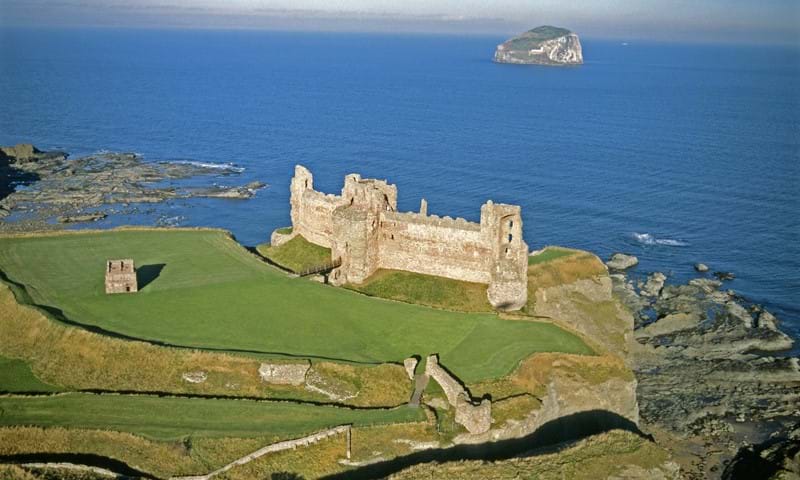
| Tantallon |
It doesn't necessarily suggest a lack of creative imagination - they must have had other things to worry about; coming up with some more decorous (or pretentious) name for the river might have seemed unnecessary. Locally, we have another example of this sort of thing. Next door to the farm where I live is the ruin of an ancient seat of the Douglas family, Tantallon Castle, on which topic I have posted before. "Tantallon" has a splendid, wild sound - in keeping with the rugged appearance and setting of the place. The name, however, has a fairly mundane pedigree. Around 1300, it is referred to on a map as "Dentaloune", and later in the same century the Earl of Douglas writes of his castle at "Temptaloun", and both these names are now thought to come from the Brythonic
din talgwn, meaning "high fortress". So the romantic Tantallon just means "big castle" in an older language. Right. That could be disappointing, but I find it interesting enough as it stands.
I'd like to leave the last word with one of the greatest 20th Century philosophers - possibly
the greatest: Gary Larson.